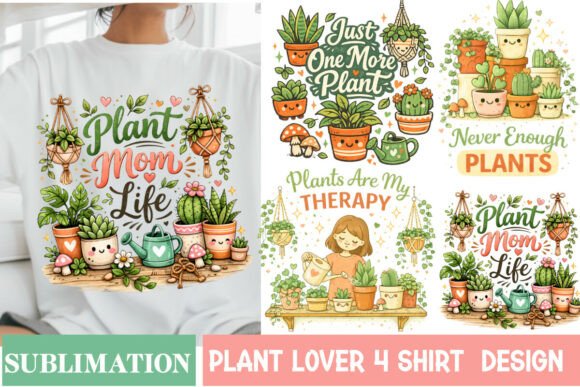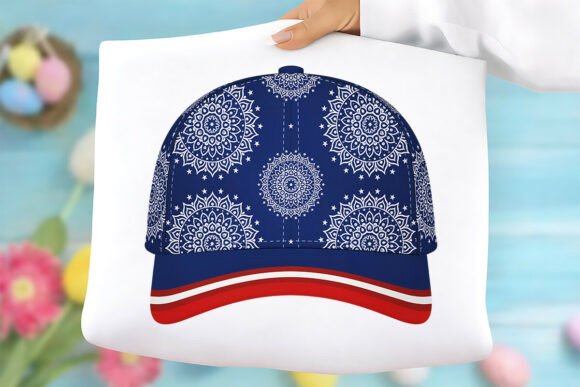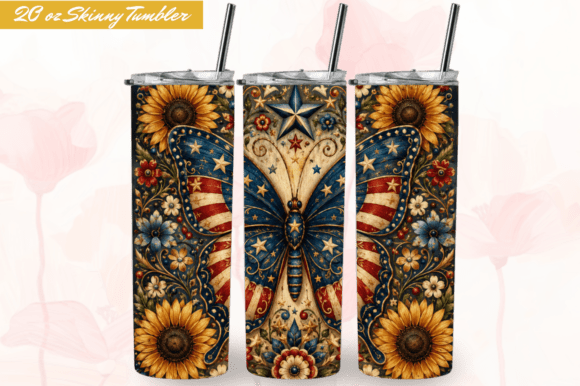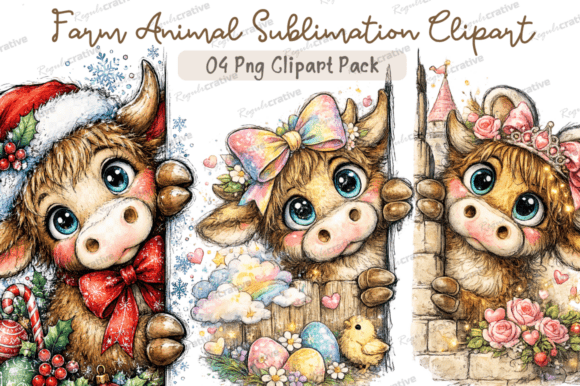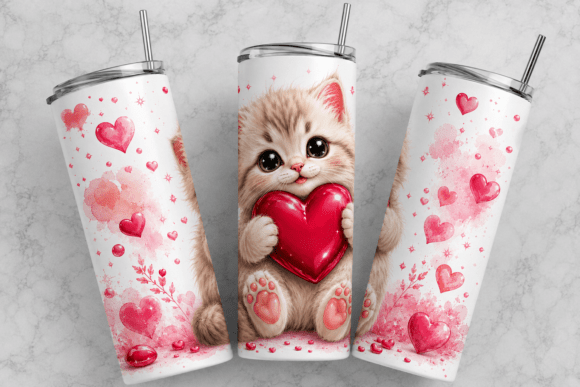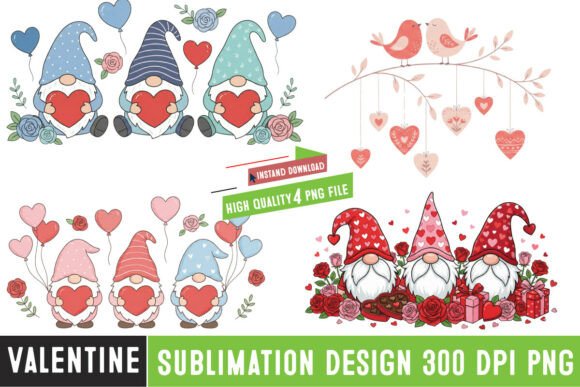
Valentine's Day Sublimation Design
Whether you're launching a seasonal merch line, prepping classroom activities, or crafting heartfelt gifts for loved ones, a high-quality Valentine's Day sublimation design is more than just decoration—it’s a versatile production asset. Unlike generic clipart or low-res graphics, this design is engineered for precision output across fabrics, ceramics, and paper-based products. It’s built to perform: vibrant enough to pop on a white mug, sharp enough to hold detail on a 3" ornament, and clean enough to scale without distortion on a 24" pillow cover.
Why This Design Fits Real Workflows
Sublimation printing relies on heat, pressure, and time—and the graphic must withstand all three without bleeding, blurring, or losing contrast. This Valentine's Day sublimation design meets that standard with purpose-built characteristics:
- 300 DPI resolution—no pixelation at any common print size, from small stickers to large tote bags;
- Flattened PNG with transparent background—zero layer management needed; drop it into your workflow and print;
- Vibrant, balanced color palette—optimized for CMYK sublimation inks while retaining warmth and depth (think rich reds, soft pinks, and crisp whites—not oversaturated or muddy);
- Crisp vector-derived edges—even though it’s a raster file, outlines are anti-aliased and intentional, not jagged or fuzzy.
It’s not “designed to look nice.” It’s designed to print reliably, cut cleanly (when used with DTF or heat transfer), and scale predictably—whether you’re running 5 mugs before school pickup or fulfilling 200 custom t-shirt orders for a boutique launch.
Where It Works Best—Beyond the Obvious
Yes, it shines on classic Valentine’s items: ceramic mugs, cotton tees, heart-shaped ornaments, and folded greeting cards. But its real value emerges in less expected places:
- Educators use it to create laminated classroom valentines, printable reward charts, or themed bulletin board kits—no extra licensing or attribution required;
- Small business owners integrate it into branded packaging inserts, thank-you cards for online orders, or limited-run apparel for local events;
- Freelance designers layer it into mockups for client presentations or combine it with custom typography in Canva or Photoshop for social media promos;
- Hobbyists apply it to wood slices, acrylic coasters, or fabric pouches using home heat presses—no SVG conversion or tracing needed.
Because it’s delivered as four ready-to-use PNG files (not one-size-fits-all), you can choose the ideal orientation or layout variant for each project—portrait for cards, landscape for wide mugs, square for social posts or printables.
Software & Hardware Compatibility—No Guesswork
This Valentine's Day sublimation design works where you already work. It imports cleanly into:
- Cricut Design Space (as an uploaded image—no SVG conversion needed for Print Then Cut workflows);
- Silhouette Studio (supports PNG transparency natively, even in Basic Edition);
- Canva (drag-and-drop with full layer control over opacity, sizing, and positioning);
- Adobe Photoshop & Procreate (ideal for subtle color tweaks, shadow overlays, or blending modes before final export).
No proprietary formats. No missing fonts or embedded vectors. Just a flat, high-res PNG—ready when you are. That means less time troubleshooting file compatibility and more time producing.
What You’re Not Getting—And Why That Matters
This is a digital download only: no physical item ships, and no vector formats (SVG, EPS, AI, DXF) are included. That’s intentional. If you need cut files for vinyl or intricate die-cutting, this isn’t the right fit—and that’s okay. This design serves a different need: fast, consistent, full-color sublimation output. Including multiple file types would dilute quality control and increase file bloat without adding real utility for its core use case.
Also note: colors may vary slightly between screen and print. Monitors render RGB differently, and sublimation printers interpret color profiles uniquely. For best results, calibrate your printer profile, use high-quality sublimation paper, and always test on scrap material first—especially with dark substrates or textured surfaces like canvas pillows.
Practical Tips for Stronger Results
A great design is only half the equation. Here’s what makes the difference in real-world output:
- Print at true 300 DPI—don’t upscale a lower-resolution version. Your RIP software or printer settings should reflect native resolution.
- Use mirrored printing for sublimation—this design is supplied in standard orientation; flip horizontally before sending to your printer if your workflow requires it.
- Pre-press your substrate—especially cotton blends or uncoated mugs—to remove moisture and ensure ink adhesion.
- Match dwell time to material—a polyester shirt needs different heat/pressure/time than a ceramic tile. Refer to your press manual—not just the design specs.
If you're sourcing blanks, prioritize polyester-rich fabrics (65%+), coated sublimation mugs, and poly-cotton pillow covers. Natural fibers like 100% cotton won’t retain sublimation ink well, no matter how perfect the design looks on screen.
Final Thought: Quality That Scales With Your Intent
A Valentine's Day sublimation design isn’t just about hearts and roses. It’s about consistency across touchpoints—whether you’re gifting one handmade mug or shipping fifty personalized orders. It’s about saving time without sacrificing polish. And it’s about having a trusted asset that performs the same way whether you’re using a $200 Cricut EasyPress or a commercial-grade Geo Knight heat press.
When your goal is clarity, speed, and professional-grade output—without needing a design degree or hours of prep—this is the kind of resource that quietly elevates your work. Not flashy. Not over-engineered. Just ready.