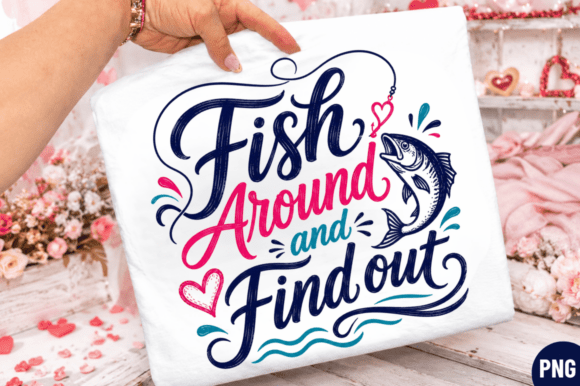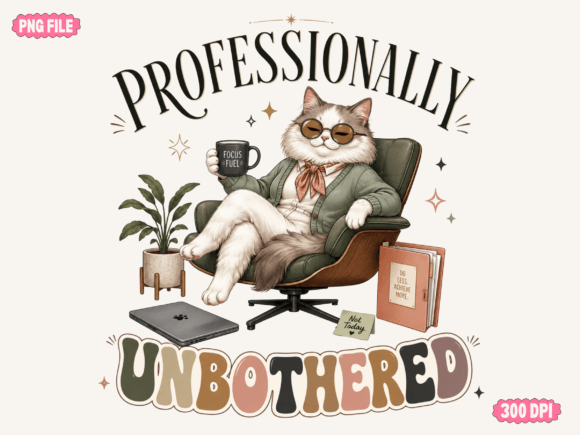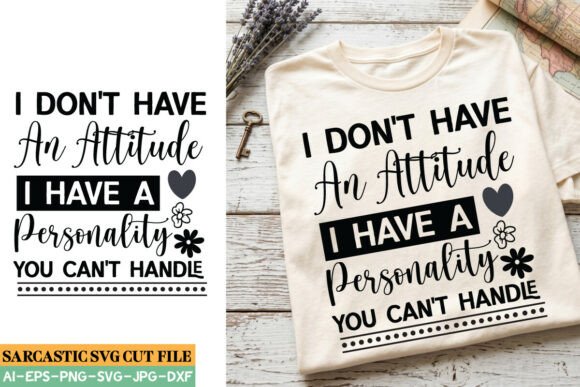
Sarcastic SVG Design & Funny SVG Design: What You Actually Get in This Digital Download
When you search for “sarcastic SVG design” or “funny SVG design,” you’re likely looking for more than just visual flair—you want tone, personality, and immediate recognizability. These aren’t decorative flourishes; they’re communication tools built into vector files that work across cutting machines, print workflows, and digital projects. This particular digital download delivers six distinct file types—SVG, EPS, PNG, DXF, AI, and JPEG—all bundled in one ZIP, all centered around a single layered, sarcastic or humorous design concept.
What Makes Sarcastic SVG Design Distinct From Generic Humor Graphics?
A “sarcastic SVG design” isn’t just text with a smirk emoji slapped on top. It’s intentional layering: phrases like “I’m Not Lazy, I’m in Energy-Saving Mode” or “This Meeting Could Have Been an Email” rely on typographic hierarchy, negative space, and deliberate visual pacing to land the joke. The layered SVG file reflects that intention—it separates background elements, outlines, shadows, and text blocks so you can toggle visibility, recolor selectively, or simplify for specific materials (e.g., removing drop shadows for vinyl cutting). That layer structure is what differentiates it from flat PNGs or unorganized vector exports.
Funny SVG design, in this context, leans into timing and restraint—not every element needs to shout. A well-executed sarcastic SVG might use minimal linework, subtle misalignment, or ironic font pairings (e.g., ultra-formal serif paired with absurd slang) to reinforce tone. That nuance doesn’t survive compression or flattening, which is why native vector formats matter.
How This Bundle Compares Across File Types—and Why Format Choice Matters
Each included file serves a concrete purpose—and none are redundant if you’re working across platforms or output methods:
- SVG (Layered): Optimized for Cricut Design Space, Silhouette Studio, and Inkscape. Layers let you hide or rearrange parts without redrawing—ideal when adapting a design for iron-on transfers vs. paper cutouts.
- EPS: A legacy but still widely accepted vector format. Preferred by some professional print shops for large-format output where Illustrator isn’t available on-site.
- PNG: Transparent-background raster file, print-ready at 300 DPI. Useful for web overlays, social media banners, or mockups—but not scalable without quality loss.
- DXF: Native to AutoCAD and compatible with many CNC routers and laser cutters. Lacks color or fill data, so it’s strictly for line-based cutting paths.
- AI: Adobe Illustrator source file. Preserves layers, fonts (where embedded), and editable effects—best if you plan to modify spacing, adjust kerning, or integrate into larger branding assets.
- JPEG: High-resolution, RGB, no transparency. Suitable for email previews, client proofs, or documentation—but not for editing or cutting.
This isn’t overkill. If you routinely switch between Cricut (SVG), commercial printing (EPS), laser engraving (DXF), and client-facing presentations (JPEG/PNG), having all six avoids last-minute conversions that degrade precision or break layers.
Compatibility Isn’t Just a Checkbox—It’s About Workflow Fit
“Compatible with Cricut, Silhouette, Inkscape, Photoshop, Illustrator” sounds broad—but compatibility varies by task. For example:
- Cricut Design Space reads layered SVGs well—but only the top-level group structure matters. Deeply nested layers may collapse unless flattened manually first.
- Silhouette Studio handles layered SVGs more flexibly, especially with its “Release Compound Path” function, letting you isolate inner shapes for weeding.
- Inkscape opens SVG and AI files reliably, but EPS support requires external Ghostscript setup—so the included EPS is more useful for handoff than personal editing.
- Photoshop treats SVG as a smart object: scalable, but editing individual layers requires double-clicking to open in Illustrator or converting to paths—a small friction point if rapid iteration is needed.
The AI file bridges that gap. If you’re adjusting letter spacing for a t-shirt layout or tweaking stroke weight before sending to a screen printer, opening the AI file saves time versus reverse-engineering from SVG.
Realistic Use Cases—Where Sarcastic SVG Design Fits (and Where It Doesn’t)
This bundle shines in scenarios where voice and versatility intersect:
- Small-batch craft sellers who need one design to serve multiple products: a layered SVG for vinyl decals, the PNG for Etsy listing thumbnails, and the JPEG for Instagram Stories.
- Office teams creating lighthearted internal signage—using the DXF for acrylic desk plaques and the EPS for wide-format posters.
- Educators or workshop leaders preparing hands-on projects: students can import the SVG into Silhouette Studio, then export simplified versions for paper cutting, while instructors use the AI file to demonstrate typography principles.
It’s less ideal for:
- Branding systems requiring custom type licensing—the included fonts may be outlined or substituted, limiting scalability across brand touchpoints.
- Animation or web interactivity, since these files are static. An SVG optimized for CSS animation would need separate path naming, IDs, and inline styling—not present here.
- High-volume production where automated nesting or kerf compensation is required—the DXF and SVG lack toolpath metadata, so those steps happen downstream in dedicated CAM software.
Tradeoffs You Should Acknowledge Before Downloading
No multi-format bundle is universally optimal. Consider these practical tradeoffs:
- File size vs. flexibility: Six files add up—this ZIP is larger than a single SVG. If you only cut with Cricut and never print professionally, the EPS, DXF, and AI may sit unused.
- Layer fidelity across apps: What appears as three editable text layers in Illustrator may merge into one shape in Silhouette Studio depending on how effects were applied. Always test your primary workflow first.
- Tone dependency: Sarcastic SVG design relies heavily on cultural context and audience familiarity. A phrase like “I Paused My Life for This Meeting” lands differently in tech startups versus school PTA groups. There’s no built-in localization—adaptation is manual.
- No commercial license included by default: Unless explicitly stated, personal use is assumed. Reselling physical items made from the file is usually permitted, but bundling the SVG itself into a new digital product typically isn’t.
Making the Call: Is This the Right Sarcastic SVG Design for Your Needs?
If your priority is having one cohesive, editable sarcastic or funny SVG design that transitions cleanly between crafting, print, and presentation—without juggling converters or risking layer loss—this bundle delivers tangible efficiency. It respects technical constraints (CNC compatibility, CMYK-safe EPS, transparent PNG) while preserving creative intent (layered SVG, editable AI).
But if you’re focused exclusively on digital-only use—say, designing social media graphics in Canva—the SVG and PNG alone may suffice. Or if you need dozens of variations (seasonal, industry-specific, multilingual), a single-file pack won’t scale. In those cases, evaluating subscription libraries or commissioning custom work becomes more cost-effective over time.
Ultimately, a strong sarcastic SVG design isn’t defined by file count—it’s defined by whether the tone survives translation across tools and outputs. This package gives you the raw materials to preserve that tone, provided you match the format to the task—not the other way around.